Acoustic Treatment for Beginners
Introduces the basics of room treatment for studios, explaining direct vs indirect sound, early reflections, phase interference, acoustic panel thickness and placement using the mirror trick and a ceiling cloud, with an audio before-and-after demo.
Other videos in Acoustics
DIY Broadband Absorbers & Calculator
Builds deep broadband absorbers using rockwool, explaining thickness, airflow resistivity and air gaps, and shows how to use the Porous Absorber Calculator at acousticmodelling.com to predict the absorption curve before constructing MDF-framed, fabric-wrapped panels for a studio wall.
intermediate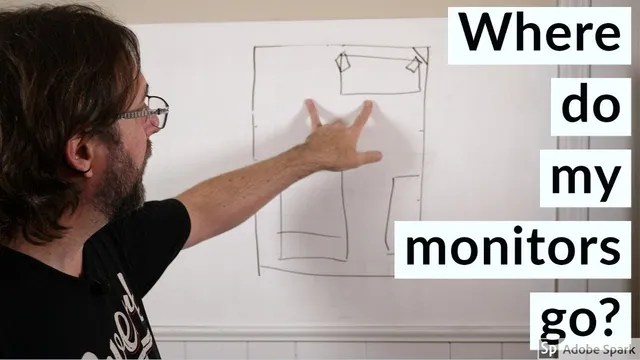
Monitor Placement in Your Home Studio
Explains how to place your desk and monitors in a typical home studio, covering room choice, listening position, the 38% rule, equilateral triangle, monitor angle, distance from walls and avoiding corners.
beginner
Intro to Room Acoustics
Explains the core concepts of room acoustics for small studios, including reflections, standing waves, room modes and reverberation, and how they affect what you hear at the listening position.
intermediate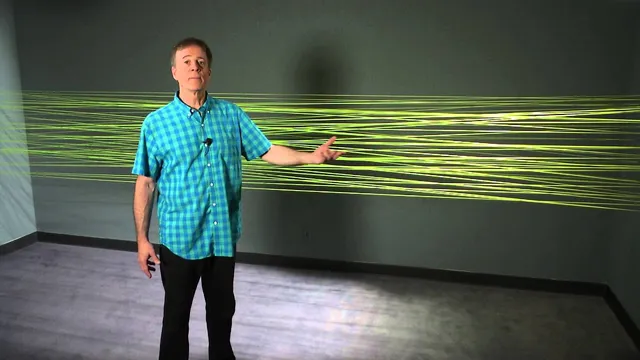
How Sound Works in Rooms
Uses simple visual demos to show the difference between direct and reflected sound, how wall reflections create interference, and how absorbers and diffusers work together to improve a room.
intermediate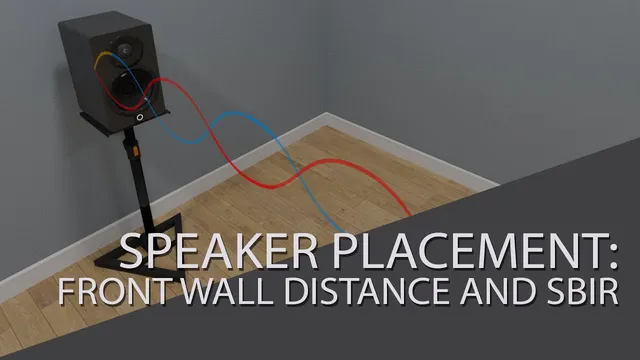
Speaker Placement and Wall Distance
Breaks down Speaker Boundary Interference Response (SBIR) and shows how speaker distance from walls affects phase cancellations, with practical guidelines for close-to-wall and pulled-out monitor setups.
beginner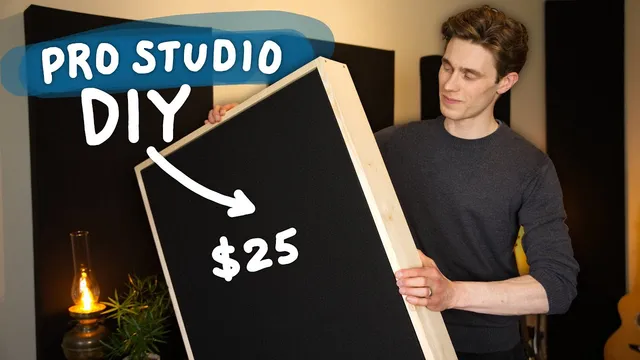
DIY Absorbers with Denim Insulation
Shows how to build affordable wall-mounted acoustic panels using a timber frame, thin side boards and recycled cotton denim insulation, focusing on simple cuts, assembly and fabric wrapping to reduce echo and reverb in a home studio or office without using fiberglass or mineral wool.
beginner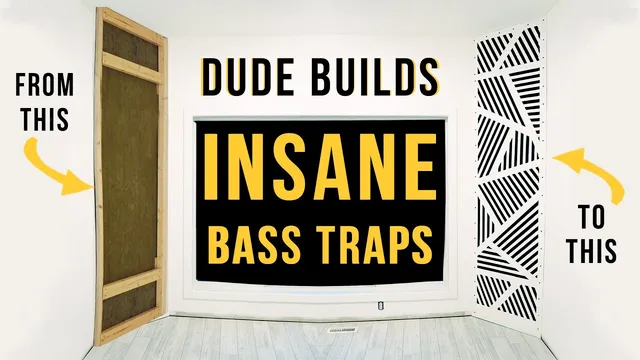
DIY Corner Bass Traps
Builds tall floor‑to‑ceiling corner bass traps with a 2x4 frame, stacked high‑density rockwool and a rear air gap, then adds tight fabric and a perforated front panel so the traps focus on absorbing low frequencies while keeping more high‑frequency life in the room.
intermediate
How Bass Works in Rooms
Shows how low frequencies behave in rooms, explaining room modes, bass nulls and peaks, long decay times and why bass builds up in corners, with clear visuals and simple language.
intermediate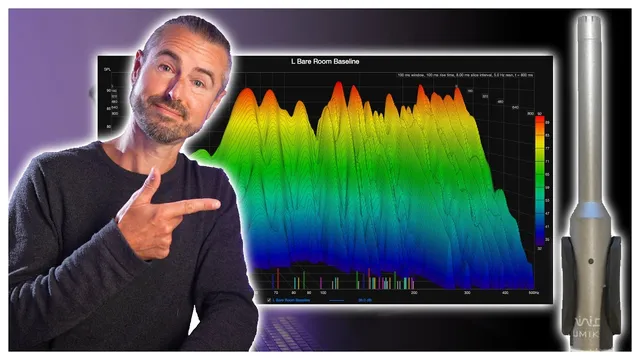
Complete Guide to Measuring Studio Acoustics with REW
This episode walks through setting up your measurement chain, importing mic calibration files, and configuring REW preferences for reliable acoustic measurements in a stereo control room. It then shows how to run multiple sweeps at proper SPL, read the main REW graphs (frequency response, impulse/ETC, decay, waterfall, spectrogram), and use them to understand room modes and decay times like a pro studio owner.
intermediate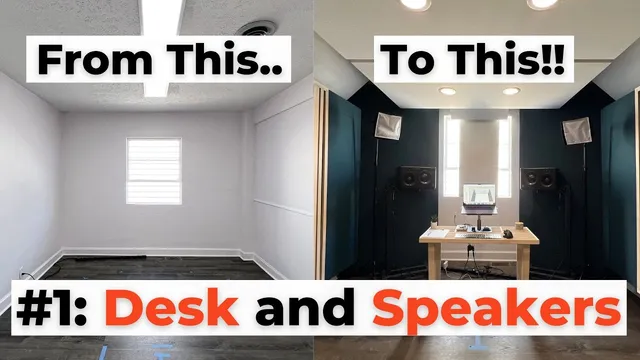
Desk and Speaker Placement Example
Follows a real studio demo room from empty to working setup, showing in detail how to choose desk position and place monitors before treatment, with reasoning you can apply to your own room layout.
intermediate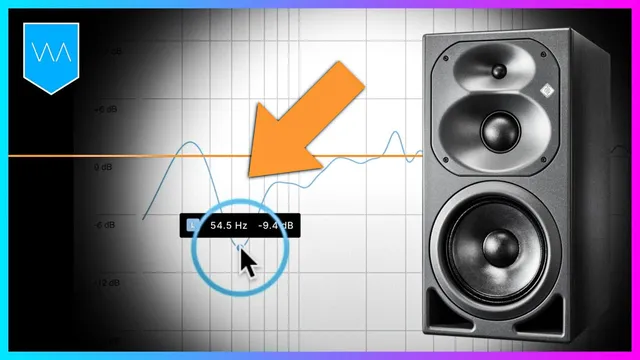
Speakers Near The Wall?
Explores how speaker placement near the front wall affects low‑frequency response, demonstrating SBIR, front‑wall loading, and practical steps to optimize studio monitor positioning for more accurate mixing decisions.
intermediate
How to Use Room EQ Wizard
Walks through installing Room EQ Wizard and setting up a complete measurement chain, including soundcard and microphone calibration, SPL calibration, taking sweeps for each speaker and saving measurements for later analysis.
advanced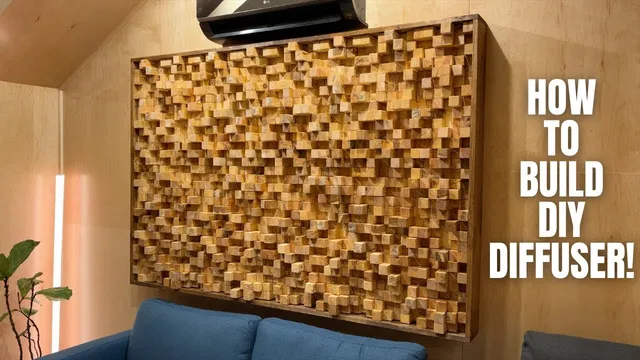
DIY Skyline Diffuser
Demonstrates a full build of a large 6x4 ft skyline diffuser, covering cutting blocks to different depths, following a pattern, gluing to a plywood backing, trimming, finishing the wood and mounting the heavy diffuser on a wall with a French cleat in a studio.
advanced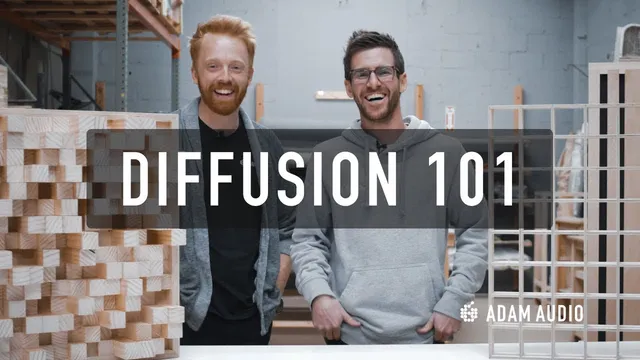
DIY Scatter Face Diffusers
Explains different diffuser types and when to use them, then walks through building a scatter face diffuser that mounts in front of an absorption panel using simple 1x2 and 1x3 boards, pre‑defined spacings and a cleat, providing a DIY‑friendly way to add diffusion in small studios.
intermediate
Room EQ Wizard Measurement Analysis
Explains how to read REW graphs like SPL, phase, impulse response, RT60, waterfall and spectrogram, then uses before-and-after and placement examples to show how to turn measurements into a practical treatment and setup plan.
advanced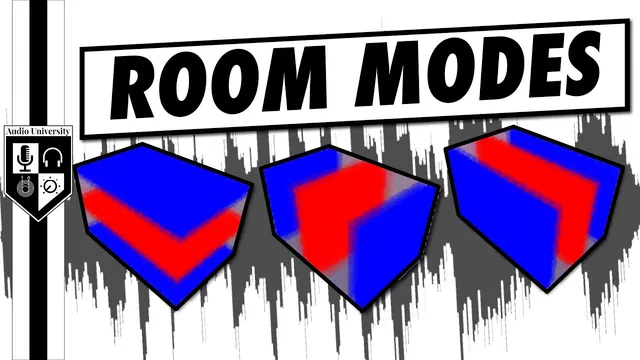
Mixing in a Small Room: Room Modes
Shows how room modes in small rooms create severe peaks and nulls, using clear demonstrations of standing waves and explaining strategies like speaker and listener placement, bass traps and tuned resonators to improve low-frequency response.
intermediate
Is Your Room Too Small To Get Good Sound?
This video is about whether a small room can still deliver good sound for a home studio, explaining how to define an acoustically ‘small’ room, the problems you’ll face, and what to focus on in your treatment to make it work.
intermediate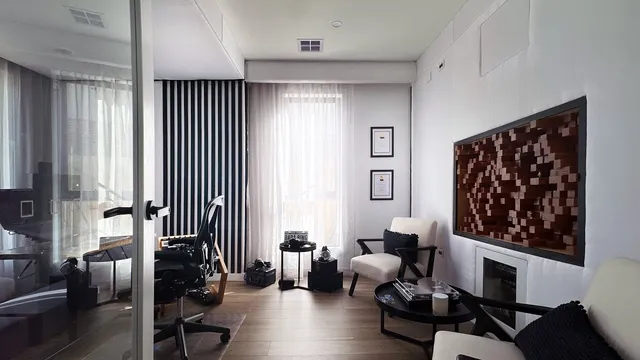
Room Design & Treatment Example with Panorama Mastering
This video follows mastering engineer Nicholas Di Lorenzo (Panorama Mastering) as he designs and builds his “dream” mastering studio in Melbourne, from acoustic planning (room dimensions, modes, speaker placement) to the invisible infrastructure (wiring, power, Atmos pre‑wiring) and aesthetic finish. He also shares the real‑world constraints of budget, time, and mental load, offering practical advice on prioritizing room performance over theoretical perfection when planning a studio of your own.
advanced